News
Layer Wound vs Bobbin Wound Transformers
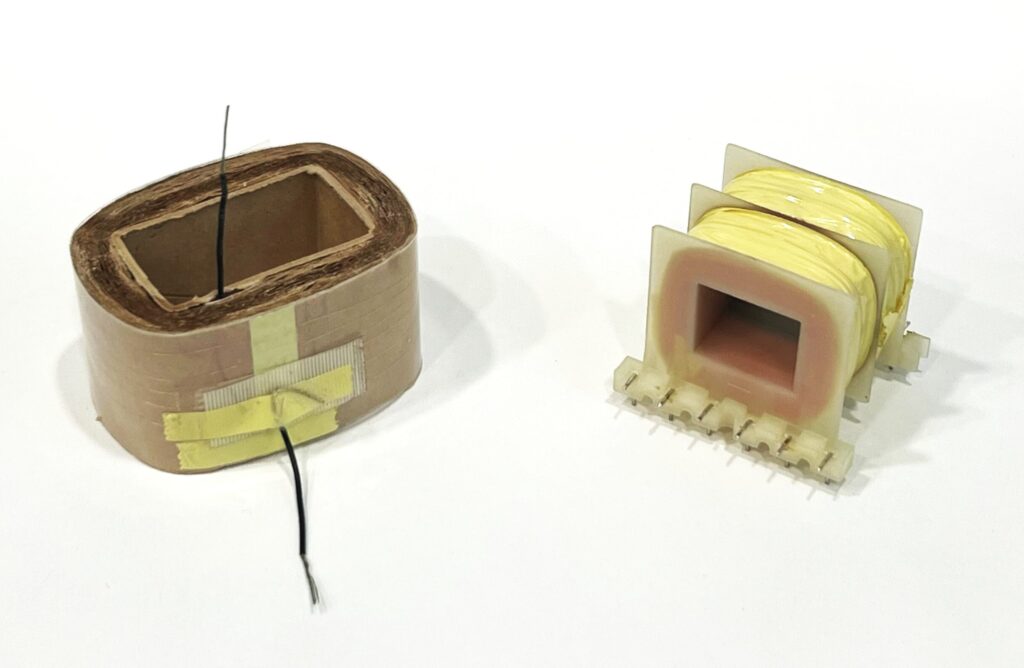
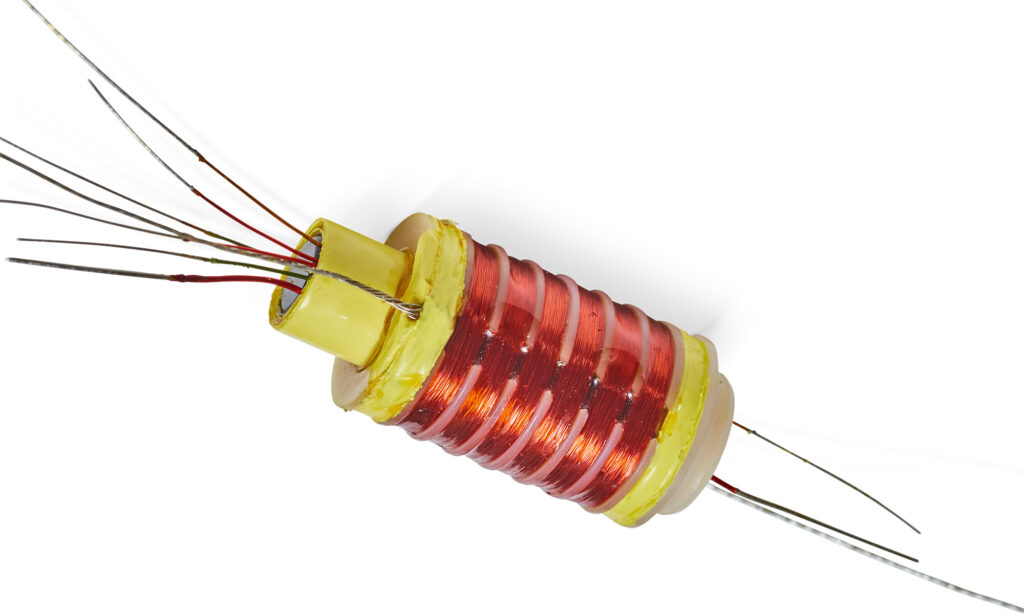
When designing a transformer, the way you arrange the wire around the core directly affects how the part performs in a circuit when designing a transformer. Two common methods are layer winding and bobbin winding. Each technique changes two key electrical properties: leakage inductance and winding capacitance. Understanding these differences […]
Split-Core vs. Solid-Core Current Transformers
When you need to measure electrical current on a live wire, you have two main choices. You can use a solid-core current transformer, which requires shutting down the system to install. Or you can use a split-core current transformer, which clamps around the wire without interrupting power. Each has trade-offs […]
High-Voltage Insulation Techniques: Epoxy Encapsulation vs. Varnish Impregnation
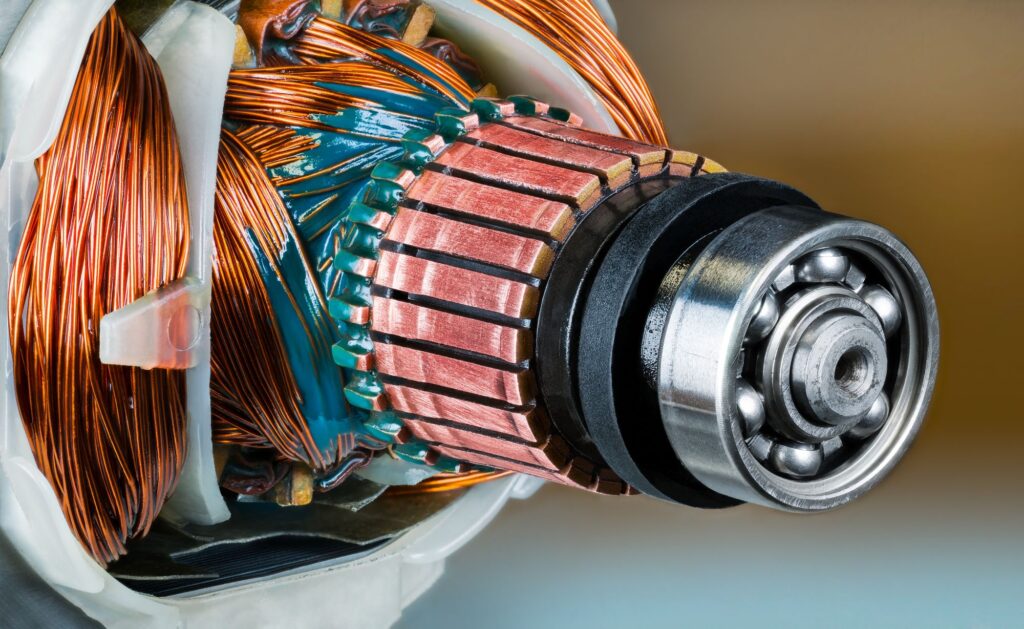
High‑voltage insulation systems are critical to the reliability of ignition coils, transformers, and stator windings. Two dominant techniques—epoxy encapsulation and varnish impregnation —offer distinct trade‑offs in durability, cost, and manufacturing complexity. Understanding these differences helps engineers and OEMs choose the right approach for performance and longevity.Durability and Electrical IntegrityEpoxy Encapsulation […]
OEM vs Aftermarket Ignition Coils: What’s the Difference and Which is Better?
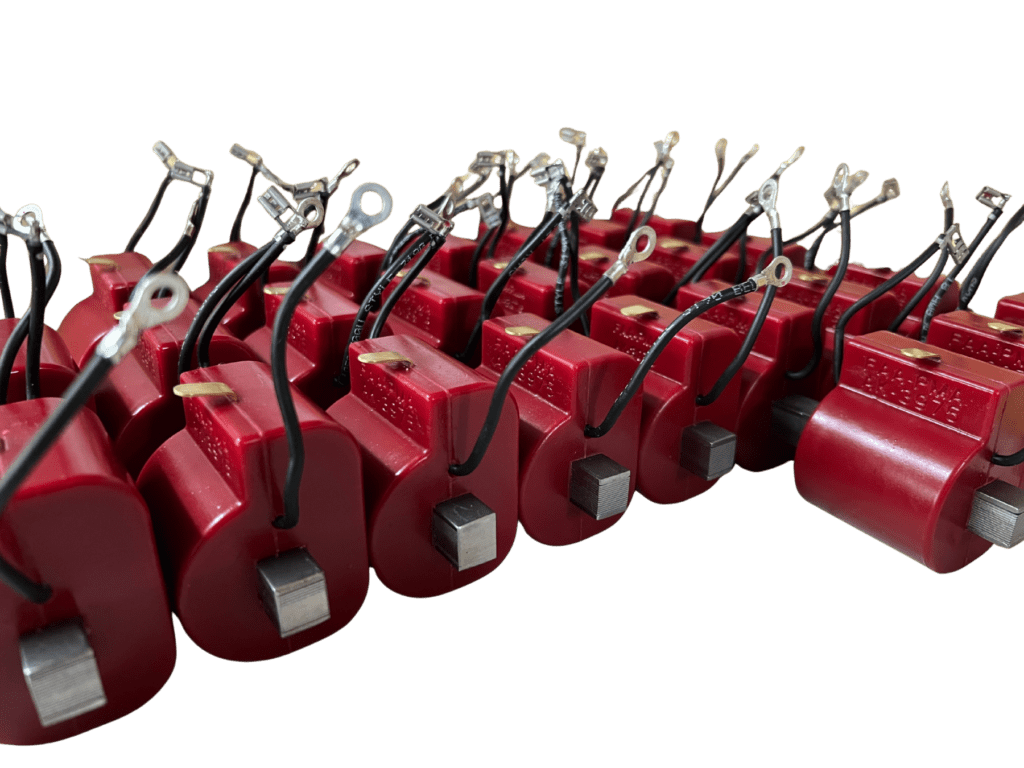
Ignition coils are crucial to any type of spark-ignition engine, ensuring that the engines start properly and safely. They convert the low voltage from a battery into the high voltage needed to ignite the engine’s spark plugs,When you need ignition coils, you may face some confusion over the difference between […]
Push-Pull vs. Single-Ended: How the Iron Shapes Hard Rock, Blues, and Funk
If the player can hear it, it matters.Some engineers argue a transformer swap can’t change tone. Players know better. In guitar amps the steel, gap, copper, and winding geometry are tone controls—just hidden ones. Here are the reasons that Push-Pull (PP) and Single-Ended (SE) feel different, as well as three […]
Beyond the Spec Sheet: Designing Potential Transformers for Real-World Environments
When you look at a power system, the big stuff gets all the attention- the breakers, the massive power transformers, the switchgear. But tucked away in the metering cabinets and relay panels, there is a hero doing the quiet work of keeping the lights on and the equipment safe: the […]
The Benefits of R-Core Transformers: Compact Design vs. High-Capacity in Transformer Cores
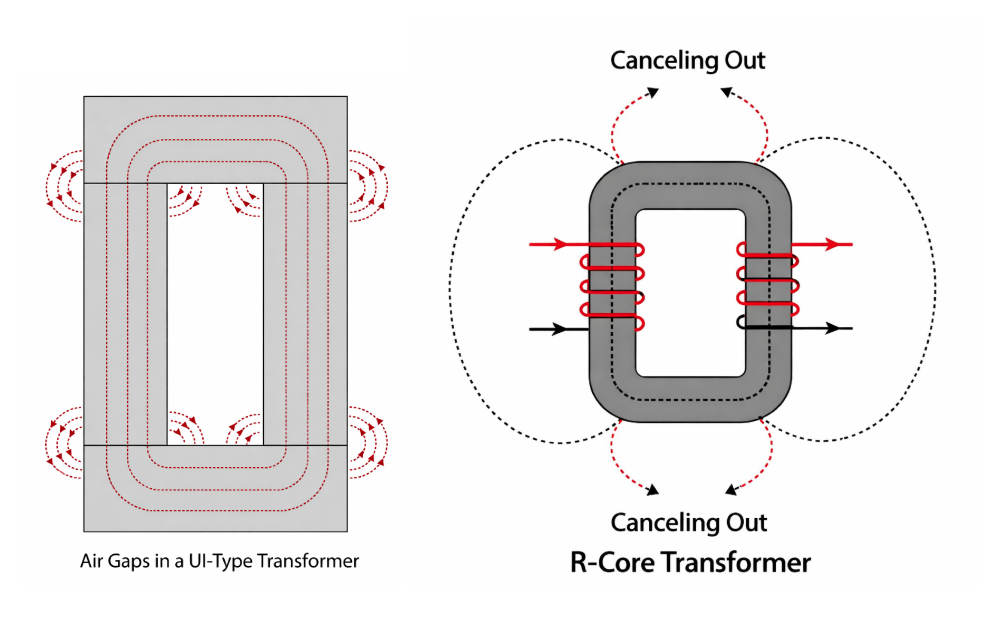
Size plays a major role in transformer design, especially when it comes to efficiency, power rating and equipment lifespan. Balancing a compact transformer design with high voltage capacity is a crucial part of most equipment today. R-core transformers are one type of transformer core that achieves a good balance of […]
Transformer Designs for Renewable Energy: Inside the Inverter Transformers for Utility-Scale Solar & Wind (1–100W)
Transformers play a crucial role in power management across the globe, in every electrical system and electronic device. As systems for capturing renewable energy have made a firm stance globally, especially with growth, be it solar arrays or wind farms or another system, so too does the need for transformer […]
Air-Core vs Magnetic-Core Inductors: How to Choose the Right One for High-Frequency Applications
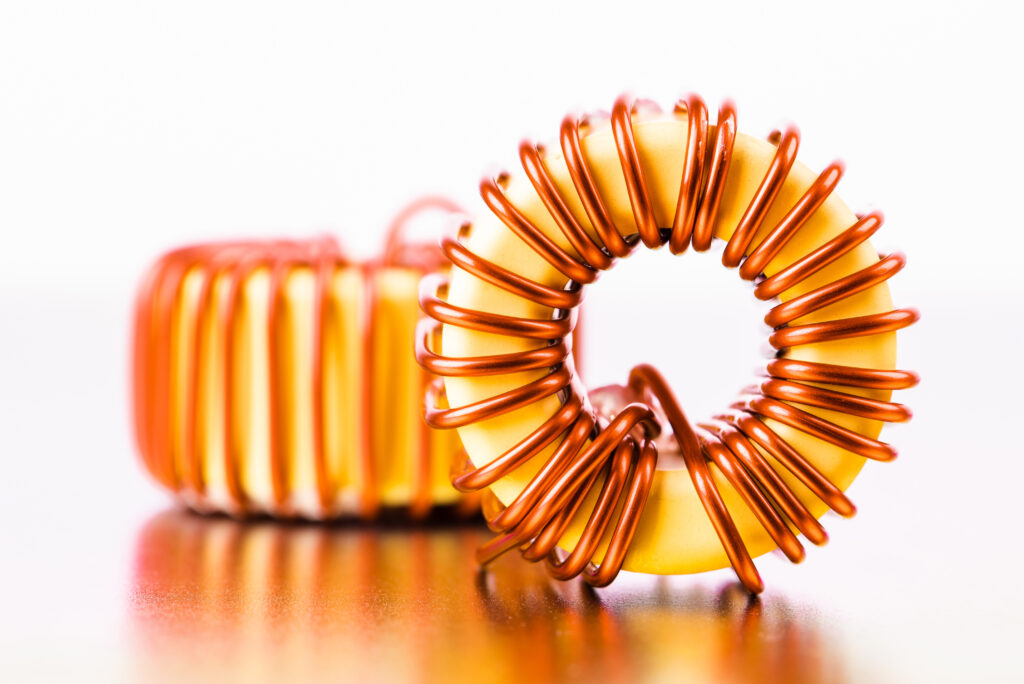
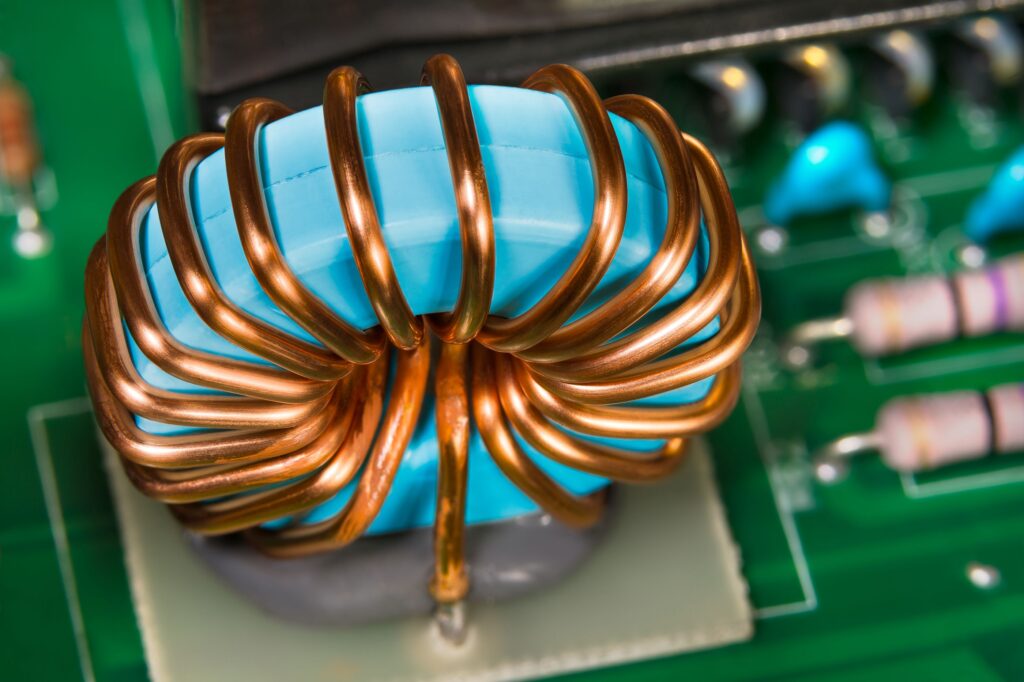
Inductors are everywhere — from phone chargers to data centers to EVs. But not all inductors are the same. The two main families are air-core (no magnetic material inside) and magnetic-core (using materials like ferrite or powdered iron). Each has trade-offs in size, efficiency, frequency, and cost. Here’s a practical […]