When you need to measure electrical current on a live wire, you have two main choices. You can use a solid-core current transformer, which requires shutting down the system to install. Or you can use a split-core current transformer, which clamps around the wire without interrupting power. Each has trade-offs in installation, cost and accuracy. Here is how they compare.
How Each Type Works
A current transformer works like any other transformer. The wire carrying the load passes through a magnetic core, which induces a smaller current in a secondary winding. That smaller current goes to a meter, a relay and a monitoring system.
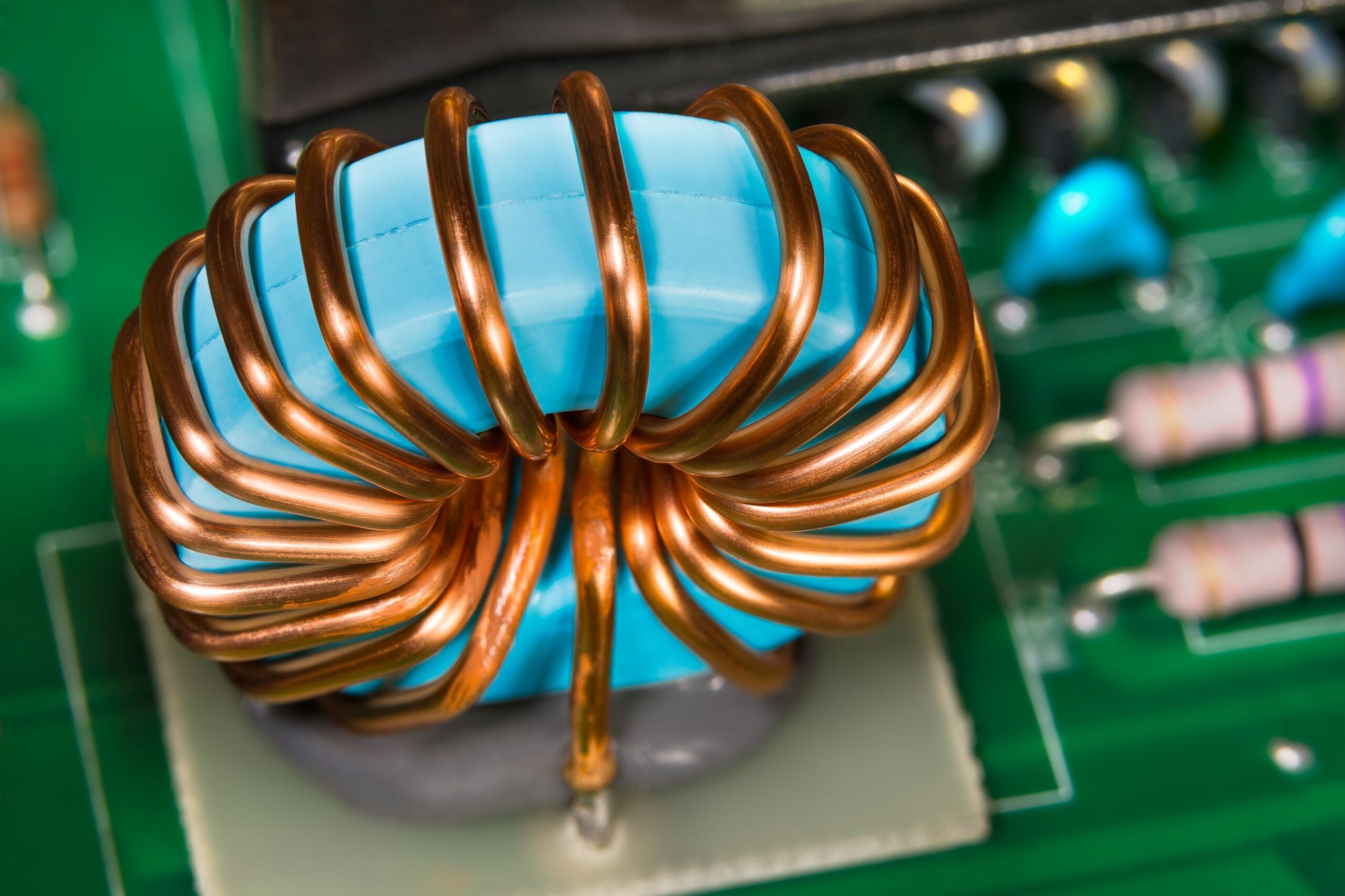
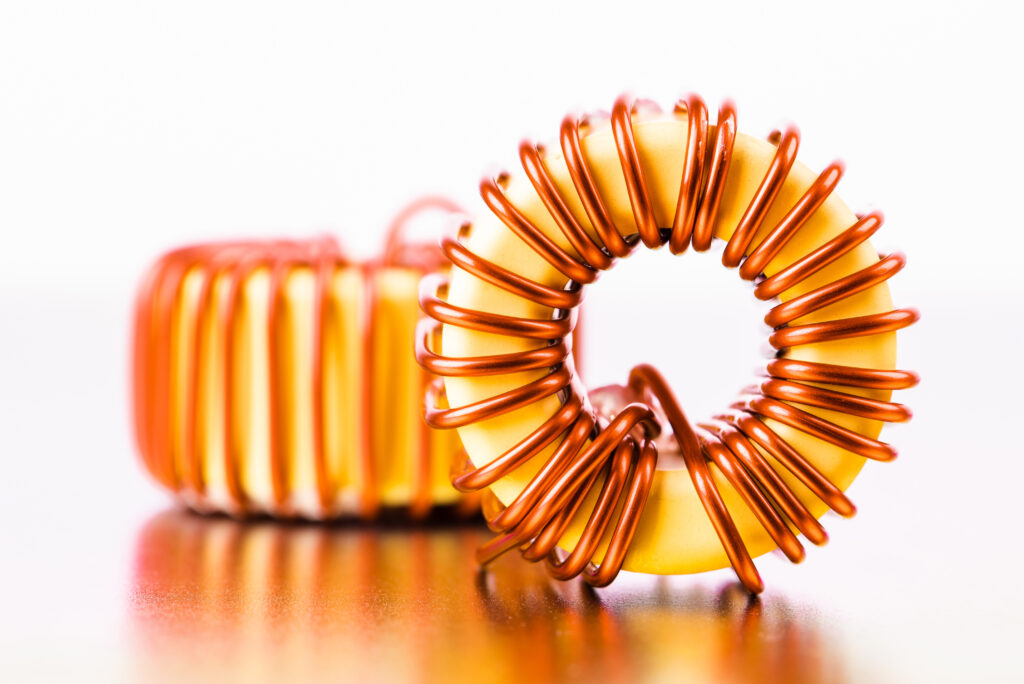
With a solid-core current transformer, the wire must pass through a closed toroidal core. There is no opening. You thread the wire through the center, either before the wire is terminated or after you disconnect it. That means shutting off the circuit.
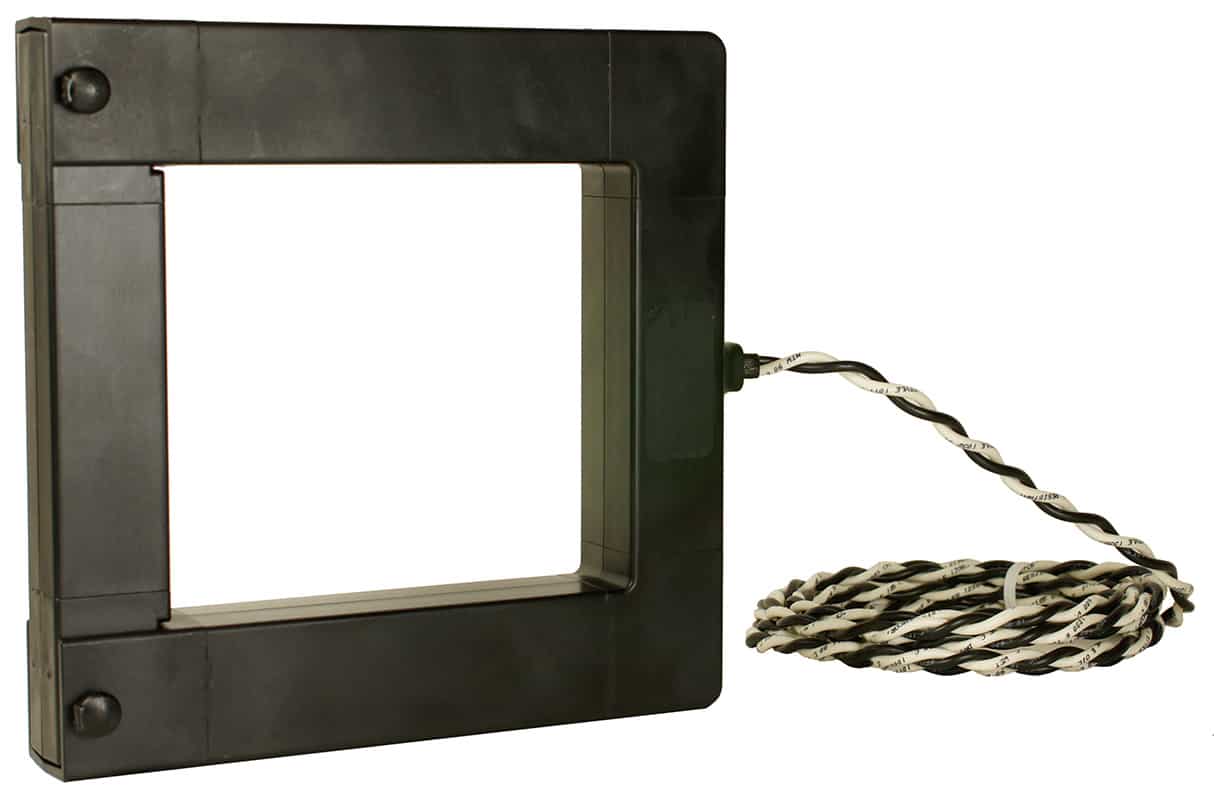
With a split-core current transformer, the core hinges open. You place it around the wire and snap it shut. The wire stays live, never moves and the core halves close around the conductor, forming a complete magnetic path.
Installation – Where Split-Core Shines
Split-core current transformers win on installation time, with a typical clamp-on installation taking about two minutes. Simply open the core, position it around the wire and latch it closed.
Solid-core units require more planning. You need a shutdown window to disconnect the wire, slide it through the core and reconnect everything. A five-minute meter swap can turn into a two-hour job once you factor in the shutdown, the safety paperwork and the restart. Solid-core is fine for new construction where wires aren’t yet terminated, but for retrofits on live equipment, split-core is the better choice.
Cost – Solid-Core Has the Lower Price Tag
Solid-core transformers are less expensive to manufacture. The winding process is straightforward. The housing is simple. If you are buying in volume for new equipment panels, solid-core will save you money upfront.
Split-core units cost more. The hinged core requires more machining. The latch mechanism adds parts. The housing needs clearance for the hinge and closure. You might pay 30 to 50 percent more for a split-core transformer compared to a similarly rated solid-core unit.
But here is the catch. That higher component cost can be offset by installation savings. If you pay an electrician $150 per hour, a solid-core installation that takes two hours costs $300 in labor. A split-core installation that takes fifteen minutes costs $37.50. Buy enough split-core units and the labor savings pays for the higher part cost many times over.
Accuracy – Solid-Core Sets the Standard
Solid-core current transformers deliver better accuracy because the core is a single continuous piece of metal with no air gap, keeping the magnetic path uninterrupted. Typical solid-core units achieve 0.3 to 0.6 percent accuracy class ratings.
Split-core transformers have a small air gap where the two halves meet and even a well-machined gap introduces some reluctance into the magnetic path, which reduces accuracy slightly. Good quality split-core units typically rate at 0.5 to 1.0 percent accuracy, though some high-end models match solid-core performance at a significantly higher cost.
1 percent accuracy is plenty for most monitoring applications. For utility metering or revenue-grade applications, you more than likely need solid-core.
Where Each Type Belongs
Use split-core current transformers when:
- You are retrofitting existing equipment
- You cannot shut down the circuit
- The installation budget is tight on labor
- Accuracy within 1 percent is acceptable
- You may move the transformer to different locations over time
- Use solid-core current transformers when:
- You are building new equipment panels
- You need the lowest possible component cost
- The circuit can be shut down for installation
- You require 0.3 percent accuracy or better
- The transformer will stay in place permanently
The Bottom Line
Split-core gives you easy installation on live wires at a higher part cost but lower total installed cost. Solid-core gives you better accuracy and a lower part price but requires shutdown and more labor to install. Neither is the wrong choice. The right choice depends on whether you are building new panels or retrofitting old ones.
Custom Magnetics builds both types. Tell us your application and we will help you pick the current transformers that fit your installation, budget and accuracy needs.