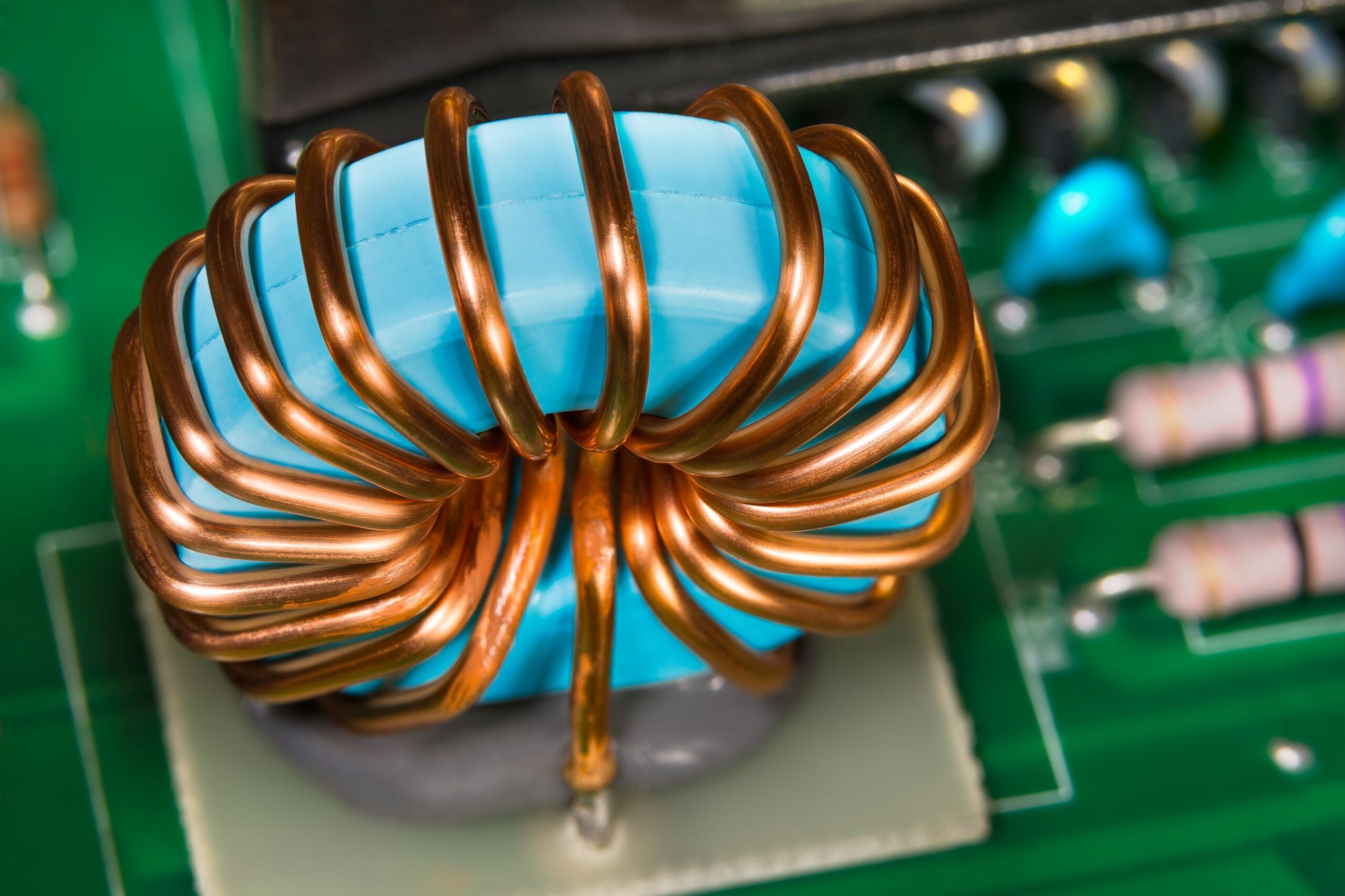
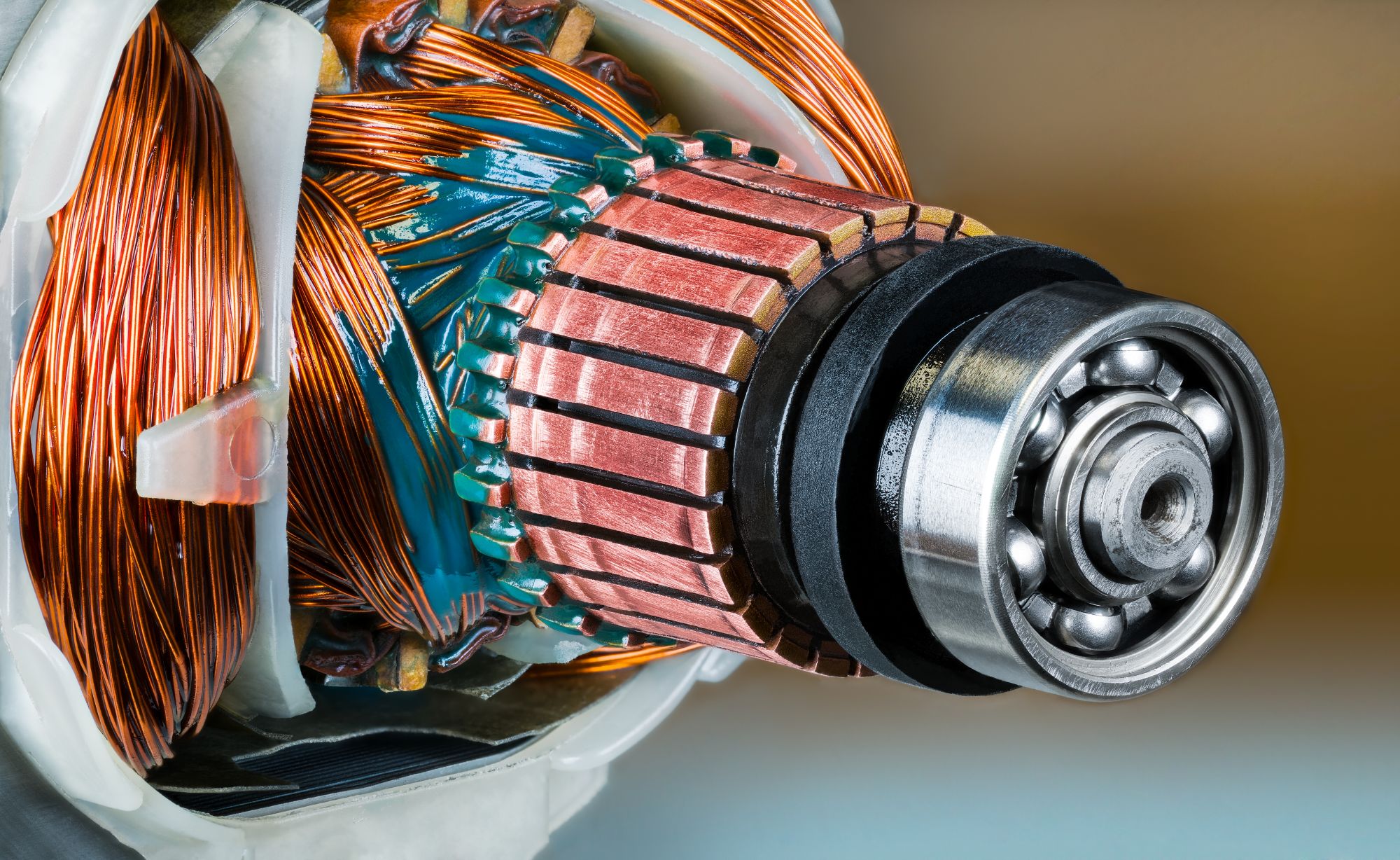
High‑voltage insulation systems are critical to the reliability of ignition coils, transformers, and stator windings. Two dominant techniques—epoxy encapsulation and varnish impregnation —offer distinct trade‑offs in durability, cost, and manufacturing complexity. Understanding these differences helps engineers and OEMs choose the right approach for performance and longevity.
Durability and Electrical Integrity
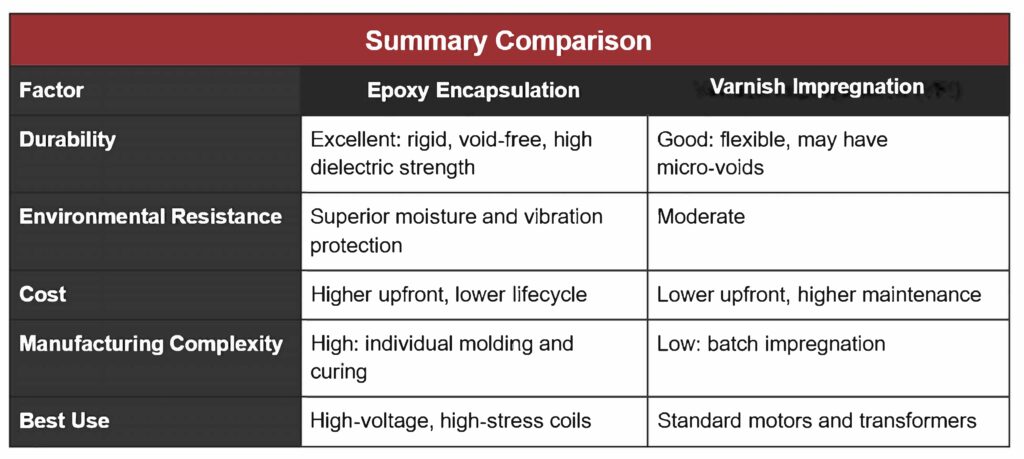
- Epoxy Encapsulation — This method fully surrounds the coil or winding in a cured epoxy resin, creating a rigid, void‑free barrier against moisture, vibration, and contaminants. Studies show epoxy systems maintain dielectric strength even after thousands of thermal cycles, with partial discharge inception voltages exceeding 10 kV Springer. The encapsulated structure resists cracking and mechanical fatigue, making it ideal for high‑temperature or high‑pressure environments such as ignition coils and industrial motors.
- Varnish Impregnation Process — When this method is used to insulate electrical windings, a varnish is applied in liquid form by spraying, brushing, or trickling. The technique depends on the size of the coil and production rate. It can be done with or without vacuum, and this also depends on the wire size of the coil. Varnish impregnation provides good insulation and flexibility, but the impregnant film build is thinner and not as even. Any unevenness of the resin distribution could reduce long‑term dielectric strength in critical performance situations. Resin‑rich epoxy systems generally perform better because they prevent partial discharge and maintain dimensional stability.
Verdict: Epoxy encapsulation offers higher dielectric reliability and environmental resistance; varnish impregnation provides adequate protection for less demanding conditions.
Cost and Production Efficiency
- Epoxy Encapsulation — Material and tooling costs are higher due to specialized molds, curing ovens, and resin formulations. However, encapsulated coils often reduce field failures and maintenance costs over time.
- Varnish Impregnation — Lower upfront cost and faster throughput make this an option for large‑volume or lower‑voltage production. The process uses standard impregnation tanks and ovens, minimizing capital investment.
Verdict: Epoxy encapsulation delivers better lifecycle value through reduced downtime and longer service life.
Manufacturing Complexity
- Epoxy Encapsulation requires precise control of resin viscosity, cure temperature, and degassing to avoid trapped air. Each coil must be molded and cured individually, increasing process complexity.
- Varnish Impregnation is simpler and scalable—multiple coils can be processed simultaneously. However, quality assurance is harder to verify since insulation integrity depends on uniform varnish penetration.
Verdict: Epoxy encapsulation demands more engineering oversight but yields consistent, testable results; varnish impregnation is easier to implement but less predictable.
Custom Magnetics Perspective
At Custom Magnetics Inc., epoxy encapsulation is central to our high‑voltage coil design philosophy. We engineer encapsulated ignition coils and transformers that meet stringent OEM and aftermarket specifications, ensuring long‑term reliability under extreme electrical and thermal stress. For applications where cost efficiency and flexibility matter most, varnish impregnation can be a viable alternative—but for critical performance, epoxy encapsulate technology delivers unmatched protection.
Ready to start?
Send us your schematic, requirements, or even the part you’re using today. We’ll do the rest. Contact Us or Request a Quote