
There is something about the sound of vintage audio equipment that modern gear simply cannot replicate. Whether it is the warmth of a 1960s guitar amplifier, the punch of a classic studio console or the smooth response of an old hi‑fi preamp, much of that character lives inside the transformers.
The owner of a vintage transformer faces a difficult choice when it fails. Replace it with a generic part and lose the original tone, attempt a repair that might not hold up, or walk away from a piece of gear with history and value. But a better option exists. Custom transformers. Reproduce the original transformer using modern engineering while preserving the sonic signature that made the equipment special in the first place.
Why Vintage Custom Transformers are Important
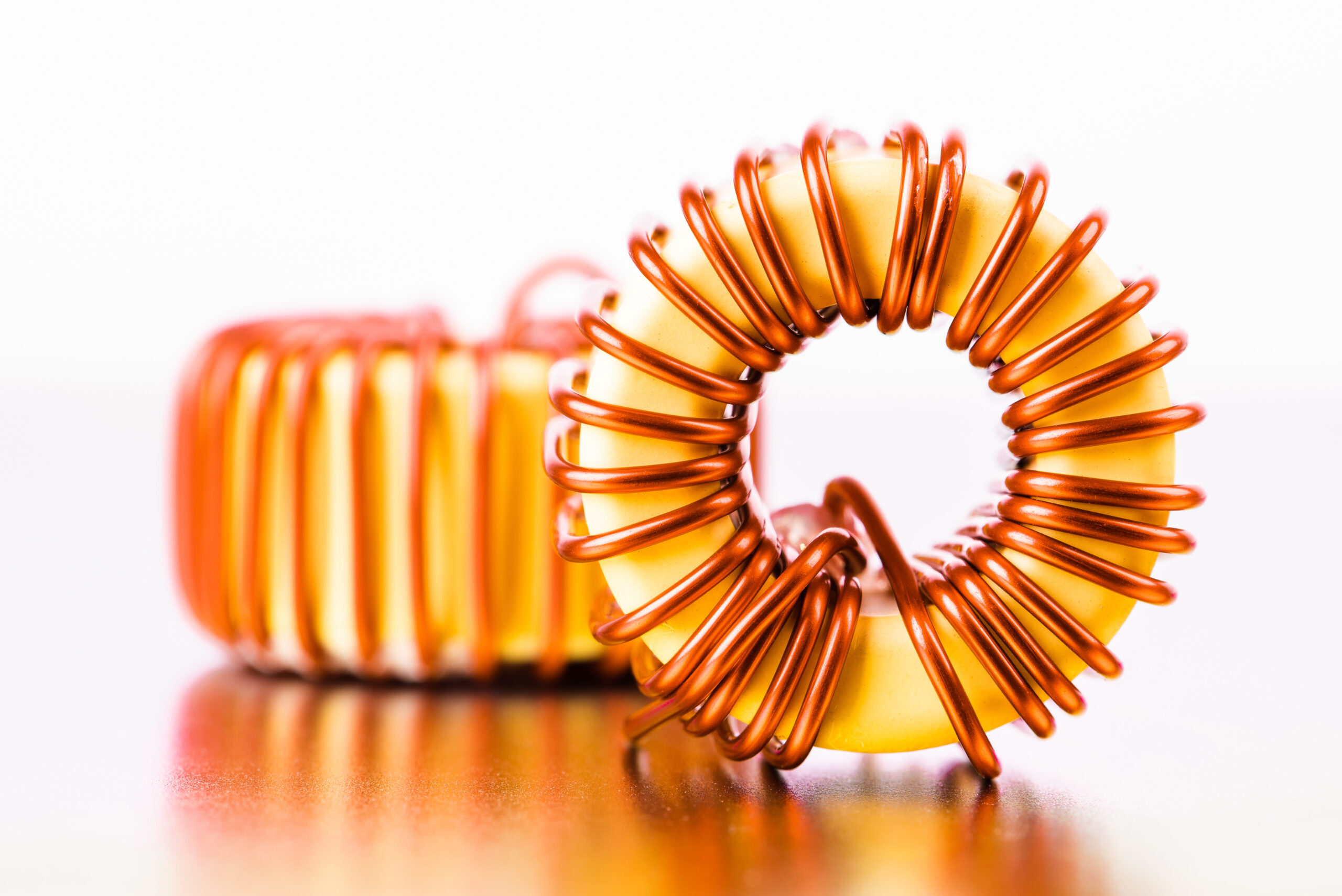
Transformers do more than change voltages or match impedances. They shape the sound. The core material, the winding pattern, the insulation between layers, every detail contributes to how the transformer responds across the frequency spectrum. Steel cores handle lower frequencies differently than nickel‑iron alloys which excel at higher frequencies. The number of turns on each winding determines impedance ratios, in turn affecting how the amplifier interacts with speakers or other equipment.
When a transformer from a 1950s amplifier fails (and they do fail) the owner loses that specific interaction. Replacing it with a modern off‑the‑shelf transformer designed for general use might make the equipment work again, but it will not sound the same. The harmonic content changes, the low‑end response shifts and the midrange character that defined the original piece disappears. A custom transformer is needed to preserve the original sound.
The Restoration Challenge
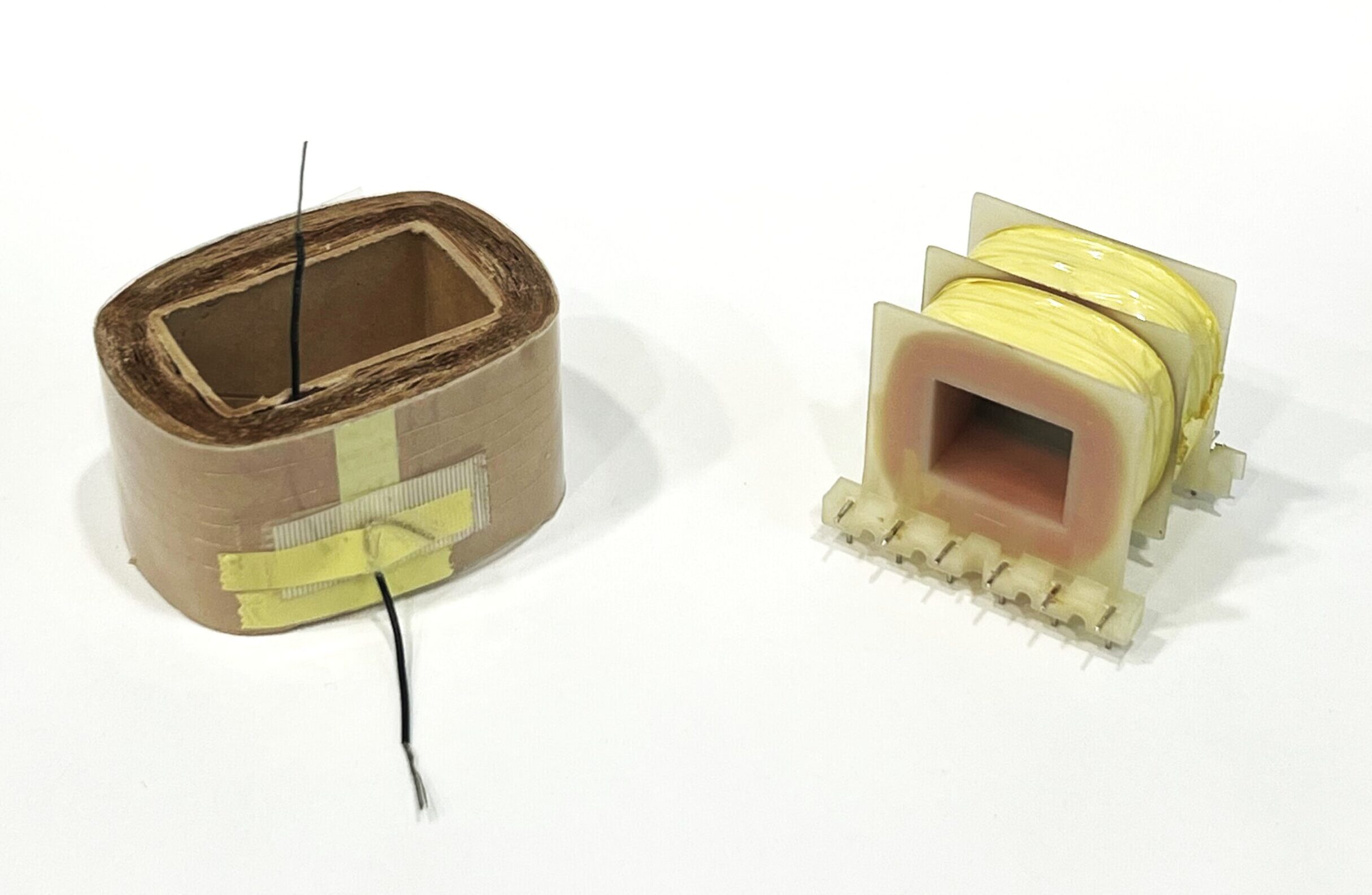
Restoring a vintage transformer involves understanding exactly what the original designer intended. That means analyzing the original part, measuring its electrical characteristics and understanding the materials used. Some transformers from the 1920s through the 1960s used paper insulation between winding layers, which degrades over time. Others were sealed with wax or pitch that eventually cracks, allowing moisture in. The fine copper wire used in these windings can corrode or break from stress, especially at the connection points where the fine wire meets the terminal leads.
When the original transformer is too far gone to repair, the restoration specialist has to rebuild it. That requires more than knowing the turns ratio. It requires understanding the winding pattern, the interlayer insulation and the core material. Even changing the wire gauge slightly alters the DC resistance, which affects how the transformer loads the circuit. The goal is not to improve on the original, but to match it.
Modern Engineering, Vintage Sound
This is where modern engineering meets vintage audio. With the right equipment and expertise, it is possible to reverse‑engineer a failed transformer and produce a replica that performs identically to the original. That means using the same core material, the same wire gauge and the same winding technique. It also means understanding the parasitic elements (the interwinding capacitance and leakage inductance) that affect frequency response and phase shift.
Some modern restorers use emulator circuits that simulate the transformer’s electrical behavior without rewinding the original core. These work well in many cases and keep the original transformer in place for authenticity. But for a true restoration that preserves the original sound and character, nothing replaces a physically accurate reproduction wound to the original specifications.
When to Repair and When to Replace
Not every vintage transformer needs to be rewound. Sometimes the connection between the fine winding wire and the terminal has simply broken due to corrosion or stress and can be repaired. Other times, the winding itself remains intact but the core has shifted or the insulation has degraded enough to cause shorts.
The restoration specialist has to make a judgment. A repair might preserve the original winding if only a few turns are damaged. A complete rewind is the only practical option if the wire is corroded or the insulation has broken down. The choice affects not only the sound but also the value of the equipment. Collectors place a premium on originality but they also expect the gear to work.
The Future of Vintage Audio Restoration
As vintage audio equipment ages, the need for skilled restoration of custom transformers will only grow. The people who understand how to wind these transformers, how to select the right core materials and how to match the original electrical and sonic characteristics are becoming rarer. But the demand remains strong among musicians, recording engineers and collectors who value the sound of classic gear.
Modern manufacturing techniques allow for consistent reproduction of vintage transformers in ways that were not possible even a decade ago. Precision winding equipment, better core materials and improved insulation all make it possible to build a transformer that matches the original in every measurable way. The challenge lies in knowing what to measure and knowing when to stop measuring and start listening.
If you have vintage audio equipment and need just the right transformer, contact Custom Magnetics and let’s see how we can help you.